
The Golden Door: March 2026

Policy Highlights:
Action Alert: Urge Your State Legislators to Vote Yes on LD 2106!
One of the first actions of the Trump administration was to end longstanding policy prohibiting immigration enforcement at sensitive locations such as schools and hospitals.
LD 2106 puts in place the strongest protections possible at the state level to counteract the federal administration’s policy of allowing immigration enforcement at these sensitive locations. Using existing 4th Amendment rights, the bill requires immigration officers to have a valid judicial warrant or court order to enter protected areas (unless there is an emergency).
While people were already afraid to send their children to school and live normal lives given the high levels of immigration enforcement in Maine since the beginning of 2025, the enhanced ICE operation in Maine in January 2026 brought the need for this law into new focus. During the operation we saw ICE actively using schools and bus stops outside of medical centers to stalk people. One mother of four was racially profiled and taken by ICE shortly after dropping a child at school. ICE also profiled and arrested a certified nursing assistant and a mother who worked in an assisted living facility during the operation.
You can help by urging your state legislators to support LD 2106!
Also in the State Legislature: Support Funding for Civil Legal Aid
On March 19, advocates and community members gathered at the State House for Access to Justice Day to highlight the importance of civil legal aid in Maine and advocate for critically needed funding for these services – including immigration legal aid.
Civil legal aid helps Mainers who cannot afford an attorney access immigration legal assistance, stay safe from abuse and neglect, remain housed, access health care, and much more.
ILAP is one of seven civil legal aid providers working to serve individuals and families in every county across Maine. This network of Maine civil legal aid providers has long been underfunded, leaving thousands of Mainers with critical legal needs unmet. Please contact your legislators and ask them to support civil legal aid funding.
Meet the organizations doing this work below.

As the aftermath of January's ICE surge continues to unfold, ILAP's voice remains central to helping Maine understand what is happening now and what it means.
Maine Calling invited ILAP Policy Director Lisa Parisio to speak about the current state of immigration enforcement in Maine and the lingering impact of the ICE surge in January on immigrant communities.
ILAP Attorney Lia Newman spoke with Maine Morning Star about a father detained during the operation who had a one-week old baby in the NICU:
“There was never a legitimate public policy reason for him and others in his situation to be put in immigration detention. While he is free now, the impacts of what happened to him and his family will remain.”
ILAP’s Policy Director also spoke to the press about a bill in the legislature that would protect tenants by prohibiting landlords from sharing their personal information, including with ICE:
Maine Morning Star: Lawmakers look to strengthen tenant rights amid heightened immigration enforcement
New Center Maine: Bill to expand tenant privacy protections could prevent ICE detainments, lawmakers say
In both outlets, Lisa was direct:
“Weaponizing calling ICE is not new, but in this environment, the stakes and human consequences are at their highest."
ILAP in the Community
Across Maine, people keep finding ways to show up for immigrant communities, through music, art, yoga, and seeds. In a moment that asks a lot of all of us, that generosity means more than we can say.
Greener Pastures Yoga donated the proceeds of one of their classes to ILAP.
Sound Pine Farm raffled off a $150 gift card toward their online spring seedling sale for anyone who donated any amount to ILAP, Project Relief ME, or the Maine Solidarity Fund.
Artist Savannah designed and sold postcards, splitting the proceeds between ILAP and the Maine Immigrants' Rights Coalition.
Unitarian Universalist Church of Brunswick held a concert benefitting ILAP featuring award-winning folk artist Crys Matthews on March 7. Join them for the next installment of their Concerts for a Cause series on April 11: An Evening with Chelsea Berry.
Every one of these actions is a reminder of all the ways we can work together for immigrant justice. Thank you for being part of our community.
On the Ground: Civil Legal Aid
ILAP is one of seven civil legal aid providers serving individuals and families across Maine. Together, these organizations work to ensure that people facing high-stakes legal challenges don't have to face them alone.
Pine Tree Legal Assistance provides free civil legal assistance in cases where it can make a difference in one’s ability to meet one’s basic human needs or in enforcing one’s basic human rights.
Legal Services for Maine Elders provides free legal help for Mainers age 60 and older when their basic human needs are at stake.
Maine Volunteer Lawyers Project connects dedicated volunteer attorneys with individuals needing legal assistance with civil matters, ensuring equal access to justice statewide.
Maine Equal Justice partners civil legal aid with economic justice advocacy to increase economic security, opportunity, and equity for people in Maine.
Disability Rights Maine acts to change Maine’s schools, workplaces, businesses, and public spaces to ensure that people with disabilities are empowered in their choices.
The Clinics at Maine Law engages law students, specially licensed by state and federal courts, to provide supervised legal services to low-income clients across most civil, criminal, juvenile and family law matters throughout Maine.
Credit: Sara Gray
Shared Voices: From the people doing the work
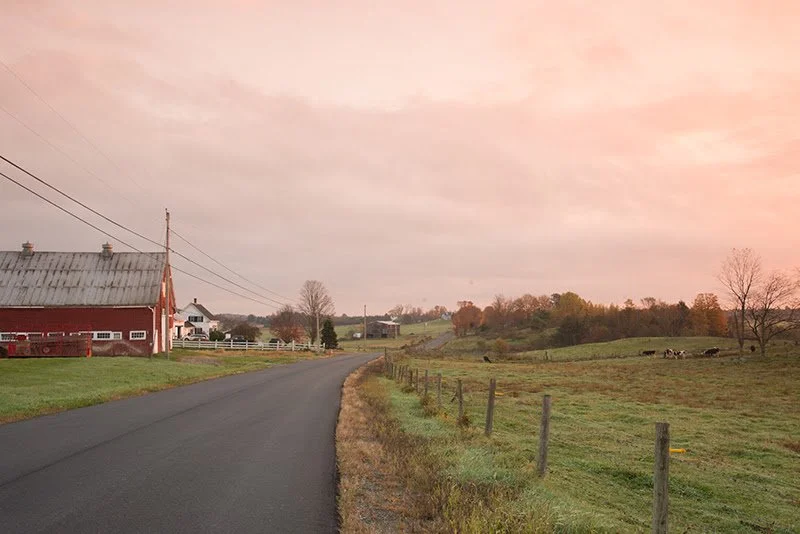
ILAP attorney Don works across rural Maine, in communities where immigration legal services can feel far away. His work spans providing direct legal services, conducting know-your-rights presentations and other legal education and outreach, and building relationships with trusted partners to help ILAP reach and serve the most vulnerable populations.
The geography of this work shapes everything. Don and ILAP's other Rural Maine Project staff member, Lourdes, cover an enormous area as a small team. For many immigrant workers in rural Maine, distance makes everything harder.
"It just adds a layer of vulnerability to a lot of the clients we work with in rural Maine."
We asked Don to share what this moment of intensified immigration enforcement has looked like, in particular, in his work responding to repeated enforcement targeting farmworkers.
"The most dangerous part of their day is at five-thirty in the morning, when they're being transported to work."
Since at least the summer of 2025, Border Patrol has been stopping vehicles carrying workers on their way to worksites, detaining people before the day has even begun. It has happened multiple times, in different ways. A bus stopped, with everyone on board detained. A personal car with a few workers inside, pulled over on the way to a field.
After an immigration enforcement action, Don pieces together what happened by talking to the people who weren't detained, to community partners, to anyone with information. When people are detained by immigration agents, ILAP moves quickly: connecting those detained to ILAP's legal services, working to get people out of detention, and working alongside community partners with trusted relationships on the ground.
In rural Maine, Border Patrol is the primary immigration enforcement agency. When people are detained, they are taken to Border Patrol stations near the border. They are cut off from contact and their exact location is not publicly reported, leaving families with no way to locate them or reach them. When someone is ordered released, they may be suddenly discharged without notice—often late at night, in frigid temperatures, and in remote areas far from home.
"They literally just open the door," Don said, "and you have to find your own way home."
A volunteer rideshare network has been giving rides to people released from Border Patrol custody across rural Maine. Senior citizens, concerned neighbors, and others are all coming together to support their immigrant neighbors.
"That gives me hope," Don said.
The work has also meant helping people prepare before enforcement happens. That means making sure people have a trusted contact, someone unlikely to be detained alongside them, who can access their immigration documents quickly and reach ILAP if something happens.
"If you and your partner both work at the same farm and take the same transportation," Don explained, "it's not really helpful if your partner has your paperwork, because they're likely going to get detained with you."
Getting the word out has required coordination ILAP couldn't do alone. Preble Street staff, already doing outreach to farmworker communities in the area, helped distribute information about how to contact ILAP for emergency legal help. The Capital Area New Mainers Project dropped off food boxes to workers that included resources and information to help families prepare for the possibility of detention.
The work of reaching people is ongoing. And when someone does reach out, the response is there.
"There are still a lot of people who don't know about our resources. But we're working every day to get the word out, and when someone does contact us from remote and rural Maine, ILAP is ready to respond."

Your Gift Keeps the Door Open
Access to Justice Day reminds us of one of the deep injustices of the U.S. immigration system and other civil legal systems – that despite the high stakes, no one is guaranteed an attorney.
For immigrants in Maine, access to an attorney matters deeply, especially now.
Your gift to ILAP helps sustain that access.
For previous updates from ILAP, check out the links below:
March 13, 2026: Community Update
February 27, 2026: February Golden Door